by Eric Christianson | Oct 25, 2026 | Renal, Urology, and Electrolytes Medication and Disease State Clinical Pearls
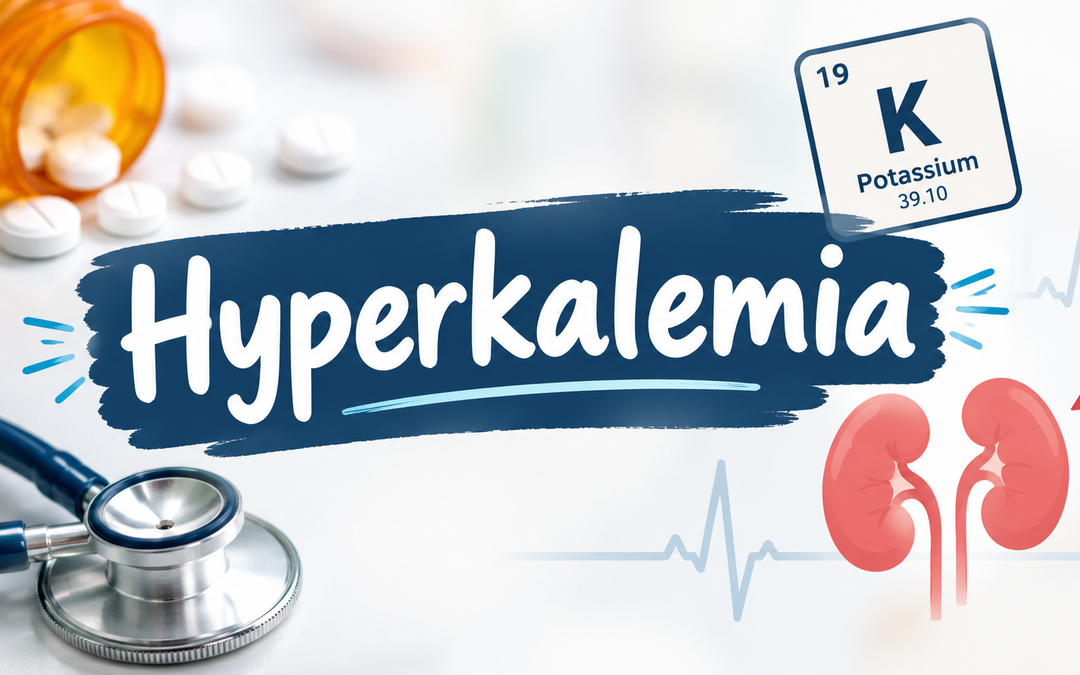
When we think about medications that cause hyperkalemia (elevated potassium), ACE inhibitors, ARBs, and spironolactone usually come to mind. However, several other medications can increase potassium levels and are easy to overlook in clinical practice. Here are three...
by Eric Christianson | Oct 21, 2026 | Clinical Guideline Updates For Pharmacists, Respiratory Medication and Disease State Clinical Pearls
I’m currently working through some updates to the 2027 study materials! With any All Access pass, you’ll automatically get those updates when they become available in the coming weeks (November-December 2026 timeframe). I wanted to point out one update...
by Eric Christianson | Oct 14, 2026 | Hematology and Immunology Medication and Disease State Clinical Pearls
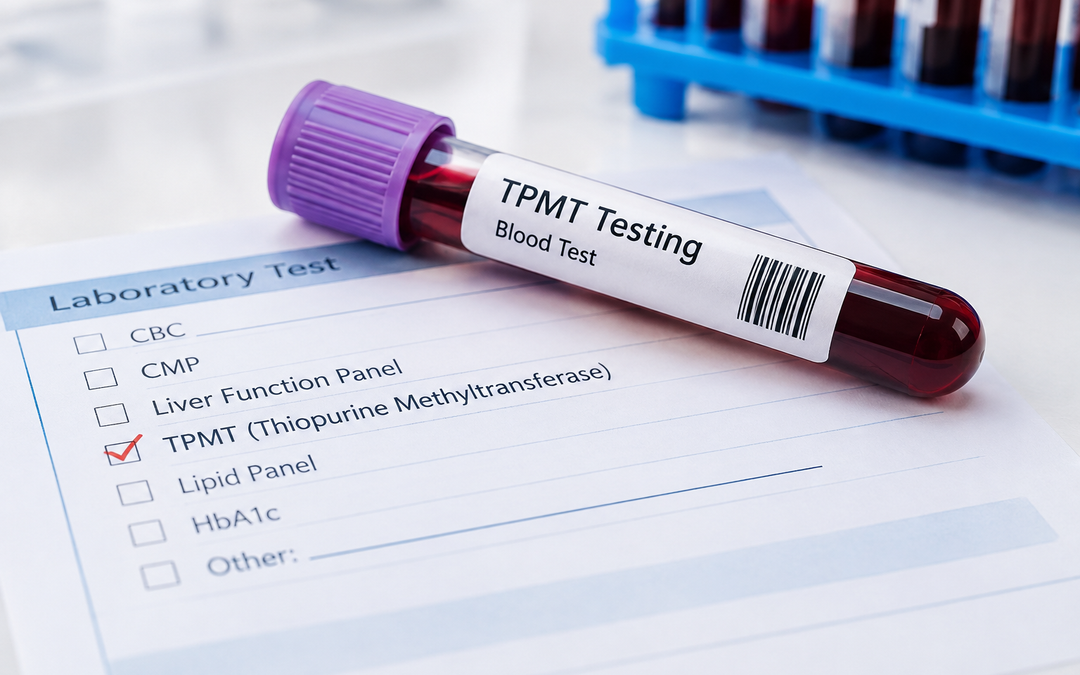
Azathioprine (podcast) is an immunosuppressant used to treat inflammatory bowel disease, rheumatoid arthritis, lupus, and prevent organ rejection after transplantation. One important safety concern is bone marrow suppression, which can lead to serious infections and...
by Eric Christianson | Oct 11, 2026 | Uncategorized
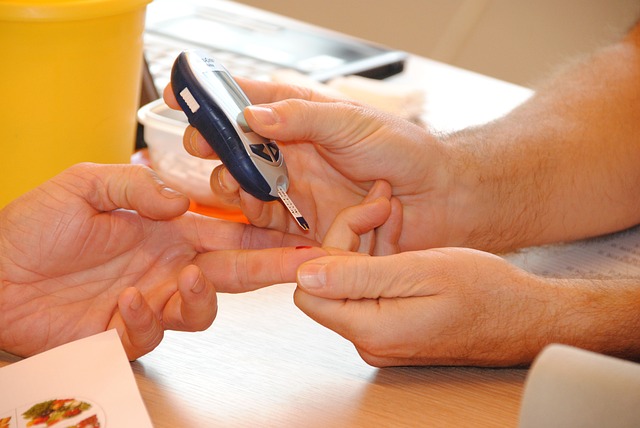
Sodium-glucose cotransporter-2 (SGLT2) inhibitors, such as empagliflozin (podcast) (Jardiance) and dapagliflozin (Farxiga), are commonly used to manage type 2 diabetes. These medications can also provide important cardiovascular and kidney benefits. However, increased...
by Eric Christianson | Oct 7, 2026 | Polypharmacy Cases And The Prescribing Cascade
One of the most common medication-related problems I see is not necessarily starting the wrong medication. Sometimes the medication is completely appropriate when it is initially prescribed, but the problem is that it never gets stopped. A medication is started for a...